

Latest Products
Blues Believer
£189.00
Latest Products
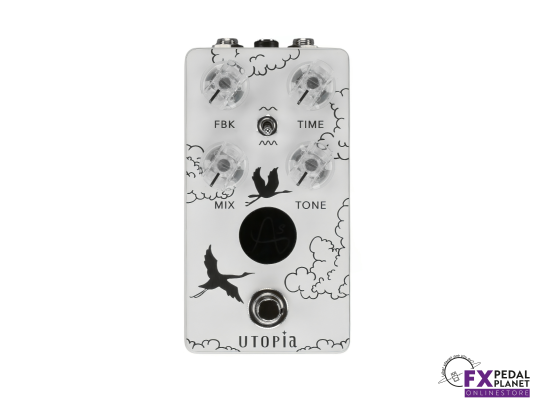
Utopia MKII Ltd Edition
£249.00

Latest Products
Axe Blast Mini
£4.99

Latest Products
Lemon Oil
£6.99

Latest Products
Guitar Balm Vintage .76 Original
£9.99

Latest Products
Guitar Wax Candy
£9.99

Latest Products
Guitar Wax Coffee
£9.99

Latest Products
Donut Hole
£149.00

Latest Products
Affogato Fuzz
£195.00

Latest Products
London Fog
£239.00
Latest Products
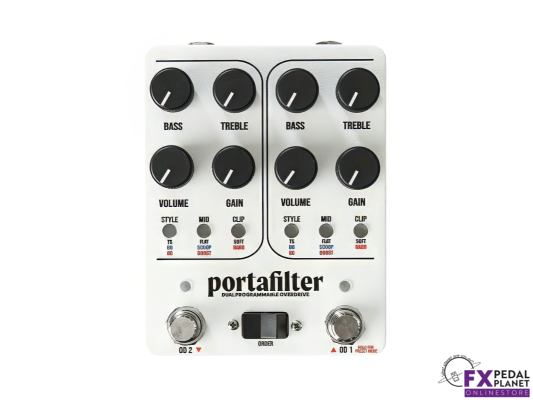
Portafilter
£349.00
Latest Products
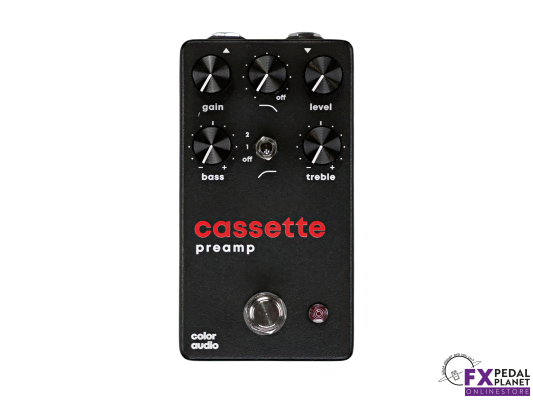
Cassette Pre Amp
£249.00
Latest Products
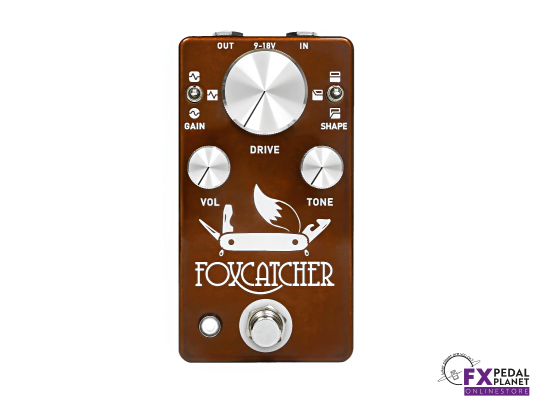
Foxcatcher V2
£249.00
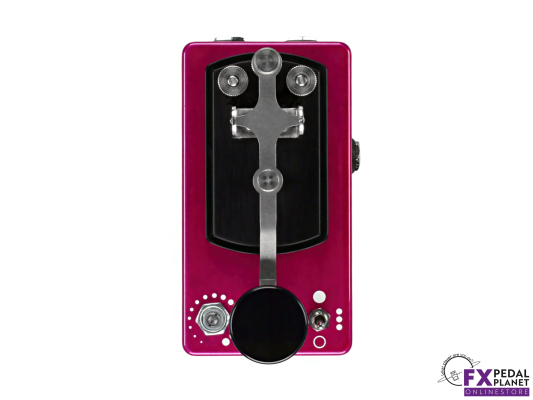
Latest Products
Telegraph V2 Summer Punch
£299.00

Latest Products
Imperium V2
£319.00

Latest Products
Nucleo
£375.00
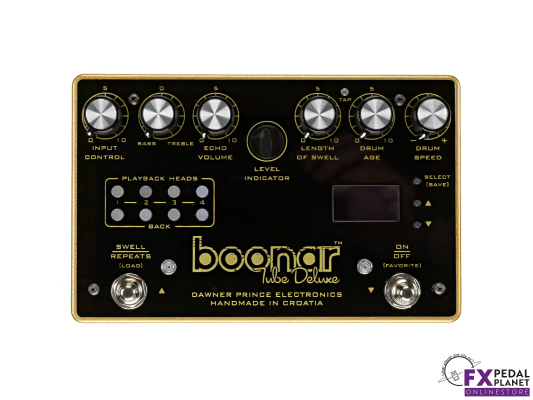
Latest Products
Boonar Tube Deluxe Ltd
£1,155.00

Latest Products
Strychnine
£135.00

Latest Products
Bad Tones Forever
£199.00
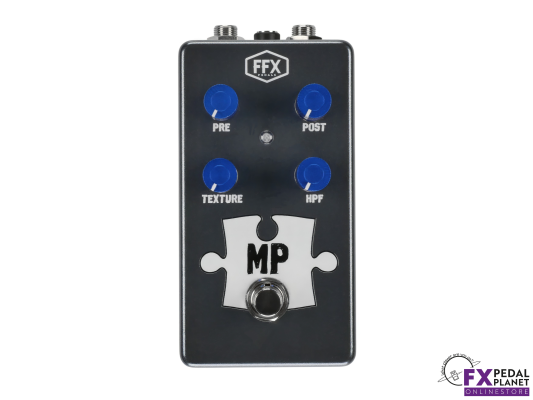
Latest Products
MP
£169.00

Latest Products
Spliff
£139.00

Latest Products
33 Mini
£205.00

Latest Products
Zuul Mini
£205.00

Latest Products
Grind
£229.00

Latest Products
Zuul + Blackout
£245.00

Latest Products
Fourteen
£249.00
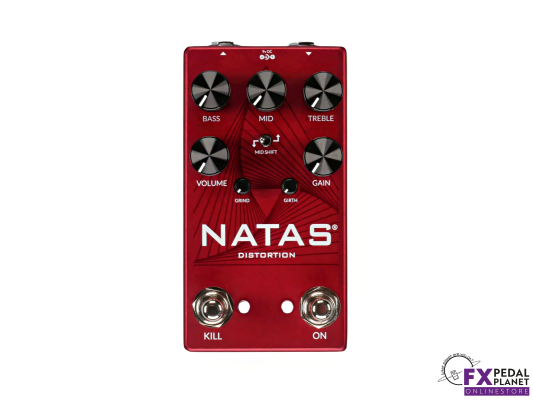
Latest Products
NATAS
£299.00
Latest Products
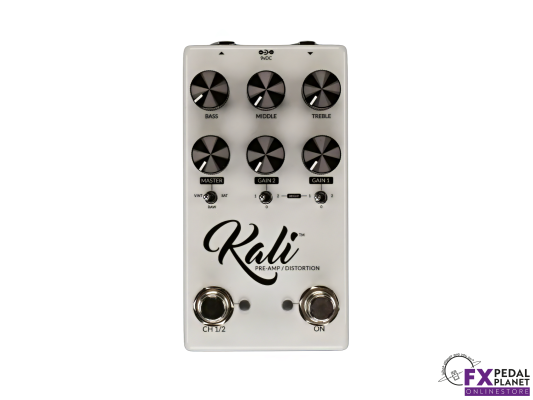
Kali
£339.00

Latest Products
Meshuggah
£349.00
Latest Products
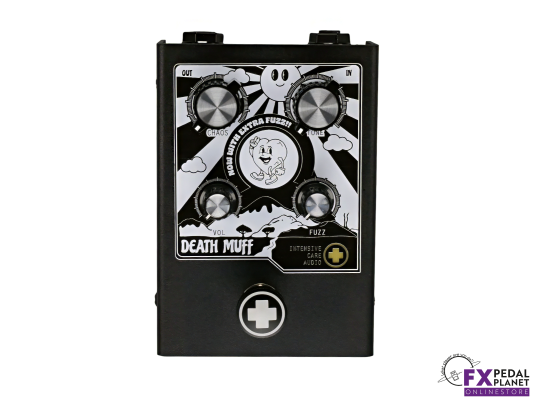
Death Muff
£149.00

Latest Products
Octaurus (-15%)
£194.65

Latest Products
Octaurus NOS (-15%)
£237.15
Latest Products
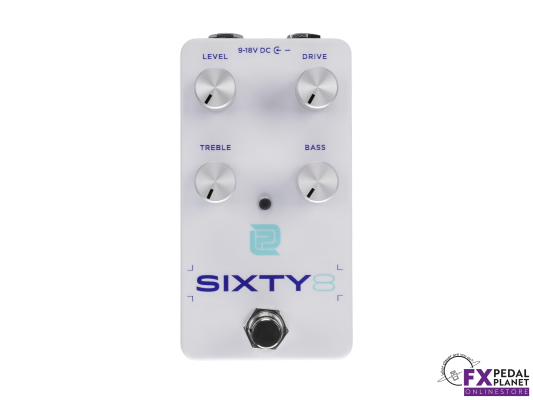
Sixty 8
£199.00

Latest Products
JMP 79
£220.00
Latest Products
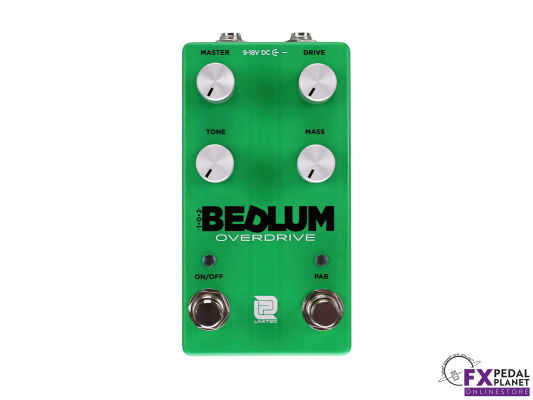
Bedlum
£229.00
Latest Products
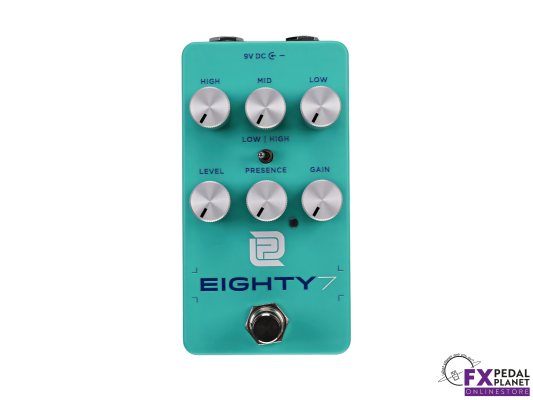
Eighty 7
£239.00

Latest Products
Even Drive
£799.00
Latest Products
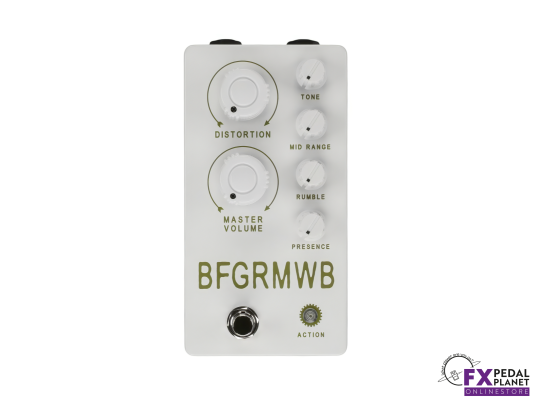
BFGRMWB
£245.00
Latest Products
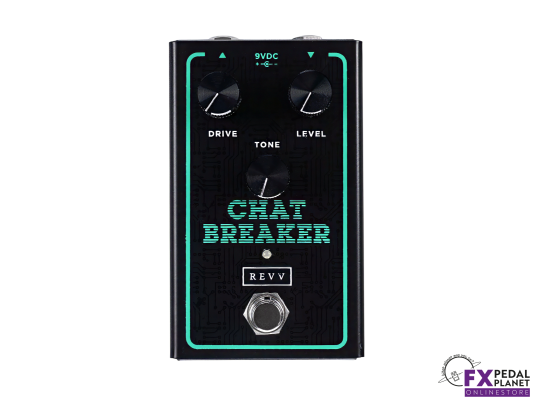
Chatbreaker
£199.00
Latest Products
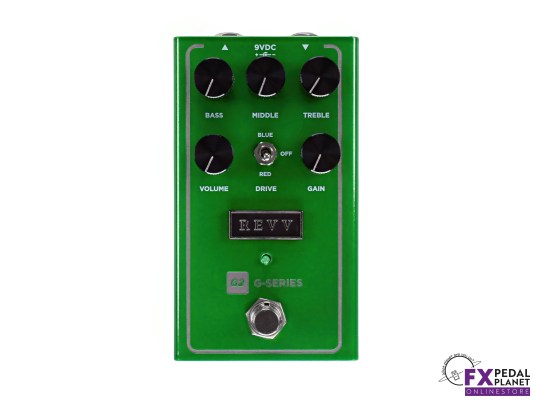
G2
£219.00
Latest Products
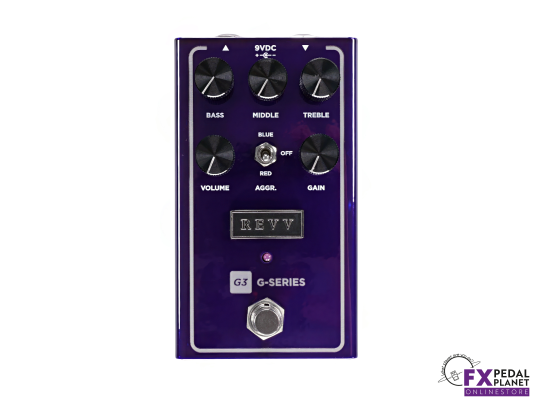
G3
£219.00

Latest Products
Tilt
£239.00

Latest Products
Eat Dirt
£249.00

Latest Products
Half Day
£139.00

Latest Products
Extra Credit Boost
£149.00

Latest Products
Gus-Drive
£149.00

Latest Products
Gus-Plus
£149.00

Latest Products
Pep Rally
£149.00
Latest Products
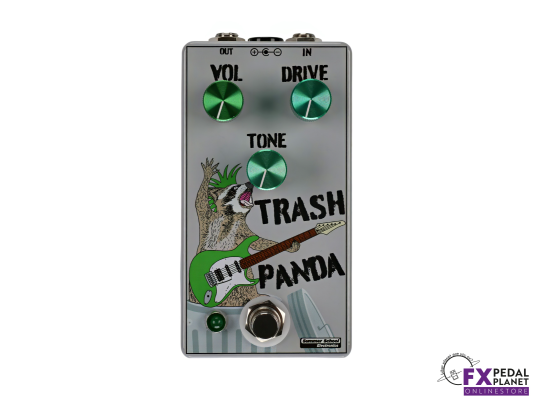
Trash Panda
£149.00

Latest Products
Gladys V2
£165.00

Latest Products
Snow Day Delay
£179.00

Latest Products
The Class Reunion
£179.00

Latest Products
Middle School Chorus
£199.00

Latest Products
Spring Break
£199.00
Latest Products
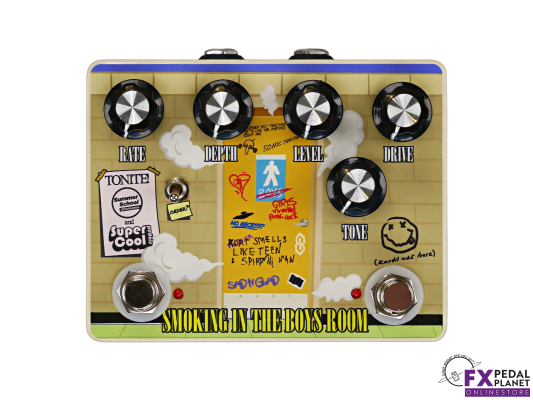
Smoking In The Boys Room
£279.00
Latest Products
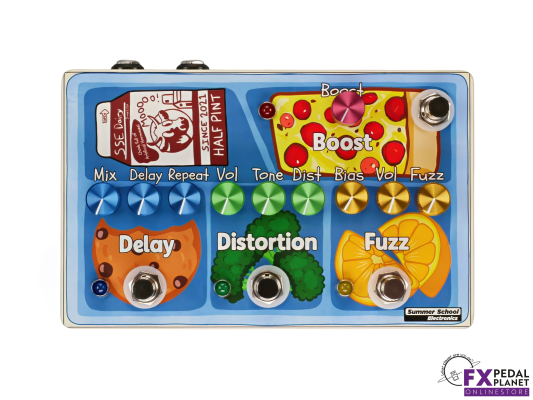
School Lunch
£499.00
Latest Products
Pipeline V2
£179.00

Latest Products
Octavia V2
£195.00

Latest Products
Quantum
£199.00

Latest Products
SpaceTime Tap V2
£245.00

Latest Products
Kaluna V2
£299.00

Latest Products
Shanks II
£325.00

Latest Products
Budi-G
£345.00

Latest Products
Expressor
£190.00

Latest Products
FireDirt
£190.00

Latest Products
1987 V2
£219.00

Latest Products
Black Tweed Plus
£259.00

Latest Products
The Blue
£279.00

Latest Products
1987 Pro
£299.00

Latest Products
1987 Pro MIDI
£330.00
Optimise Tone With Effects Pedal Signal Path Guidance
This is the first in resource articles by FX Pedal Planet Online Store for musicians, guitarists and bass players. We will cover more topics to suit all levels of knowledge within time and hope that you find this information useful.
One of the most common questions asked is, "in what order should I place my effects pedals?". Well, the order in which you place your effects pedals in your signal chain can have a significant impact on your overall tone and the way your effects interact with one another. While there are no hard and fast rules for effects pedal order, here is a general guideline that you can follow:
-
Tuner: Place your tuner pedal first in the signal chain to ensure that it receives a clean and unprocessed signal. Ideally, tuner pedals should be placed outside the signal chain, which can be achieved with special looper pedals and switchers. Looper and switcher pedals allow the tuner to be bypassed and engaged when required.
-
Filter pedals and dynamic pedals: Place any filter pedals or dynamic effects pedals, e.g. wahs, compressors, and envelope filters, next in the signal chain. These effects pedals are designed to shape your tone and dynamics, and placing them early in the signal chain can help maintain their effectiveness.
-
Overdrive, distortion, and fuzz pedals: Place any overdrive, distortion, or fuzz pedals next in the chain. These pedals are designed to add grit and saturation to your tone, and placing them after filters and dynamics can help ensure that they receive a consistent and controlled input signal. However, some gain pedals, e.g. germanium fuzz pedals prefer to be placed first in the chain, whereby, they see the entire guitar or bass signal. We will look at this in future blog articles.
-
Modulation pedals: Place modulation pedals, e.g. chorus, flanger, and phaser pedals, after your overdrive, distortion and fuzz pedals. These effects pedals are designed to create movement and depth in your sound, and placing them after your drive pedals can help ensure that their subtleties are not lost in the mix.
-
Time based effects: Place your time based effects pedals, e.g. delay and reverb, last in the chain. These effects pedals are designed to create space and ambience in your sound, and placing them last in the chain can help ensure that their tails are not truncated by other effects.
Remember that these guidelines are not set in stone, and you should experiment with different effects pedal orders to find what works best for your individual setup and playing style.
For instance, some guitarists prefer chorus pedals before overdrive pedals. Some prefer fuzz before wah, some with fuzz after wah. So, we encourage you to use the above template as guidance only and try different signal path orders. Listen and feel how different pedals interact with each other and play what suits your playing style and tone.
Lastly, we strongly encourage everyone to expand their knowledge by accessing the extensive array of resources that are readily available.


Payment methods accepted