

Latest Products
Blues Believer
£189.00
Latest Products
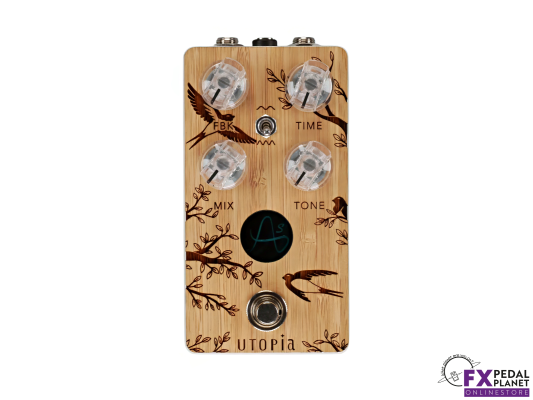
Utopia MKII
£249.00
Latest Products
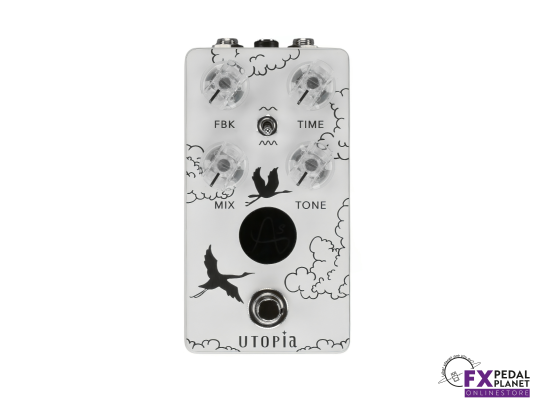
Utopia MKII Ltd Edition
£249.00

Latest Products
Axe Blast Mini
£4.99

Latest Products
Lubricant Oil
£4.99

Latest Products
Lubricant Powder
£4.99

Latest Products
Lemon Oil
£6.99
Latest Products
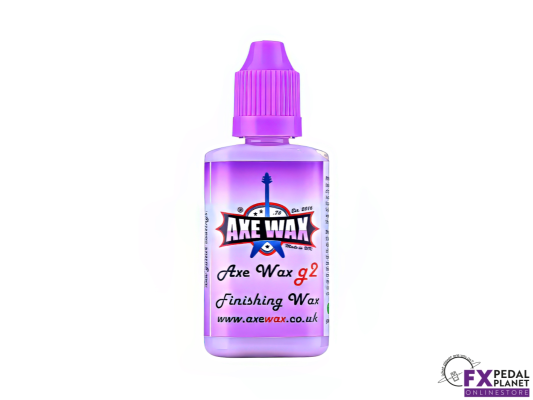
Finishing Wax G2
£6.99

Latest Products
Fretboard Conditioning Oil
£6.99
Latest Products
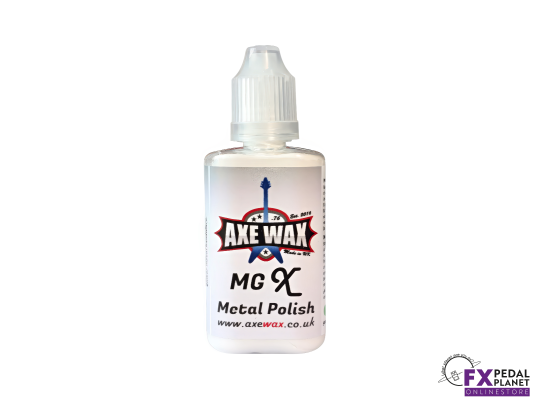
MG X Metal Polish
£6.99
Latest Products
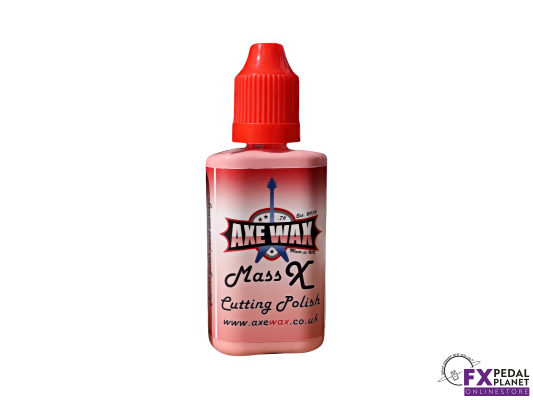
Mass X Cutting Polish
£6.99

Latest Products
Guitar Balm Vintage .76 Original
£9.99

Latest Products
Guitar Wax Candy
£9.99

Latest Products
Guitar Wax Coffee
£9.99

Latest Products
Donut Hole
£149.00

Latest Products
Affogato Fuzz
£195.00

Latest Products
Cold Brew
£239.00

Latest Products
London Fog
£239.00
Latest Products
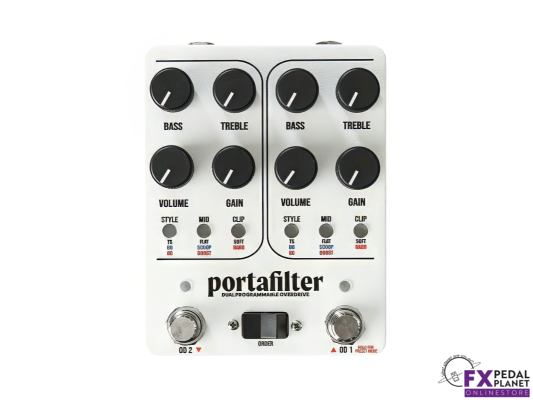
Portafilter
£349.00
Latest Products
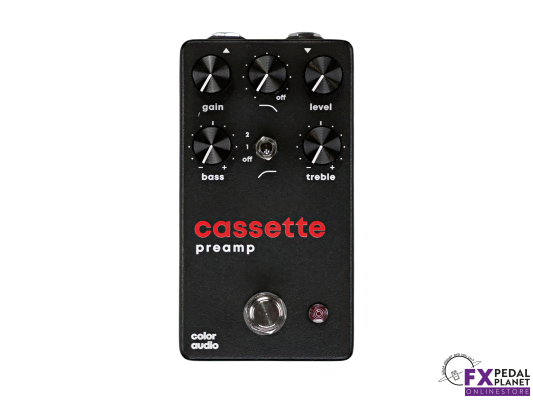
Cassette Pre Amp
£249.00
Latest Products
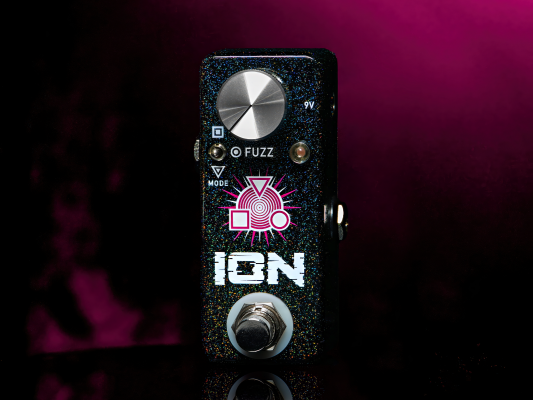
ION
£149.00

Latest Products
Foxcatcher V2
£249.00
Latest Products
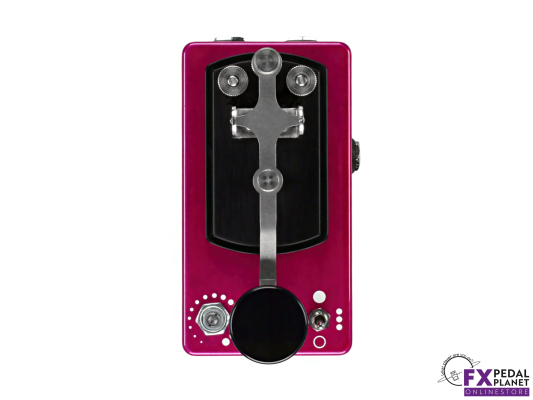
Telegraph V2 Summer Punch
£299.00

Latest Products
Soft Clip Distortion Cir-Kit
£29.00

Latest Products
Imperium V2
£319.00

Latest Products
Nucleo
£375.00
Latest Products
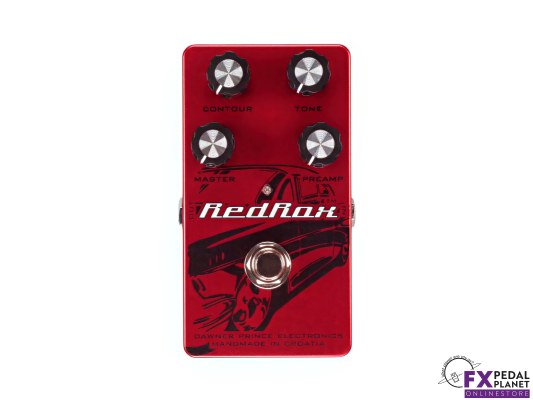
Red Rox
£185.00
Latest Products
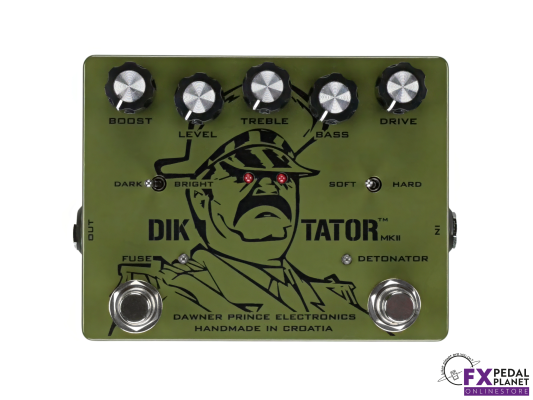
Diktator MKII
£259.00
Latest Products
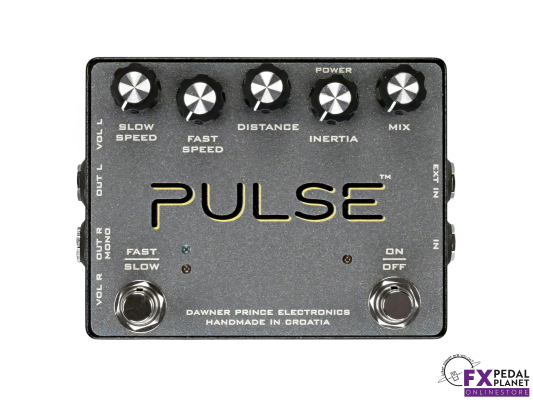
Pulse
£269.00
Latest Products
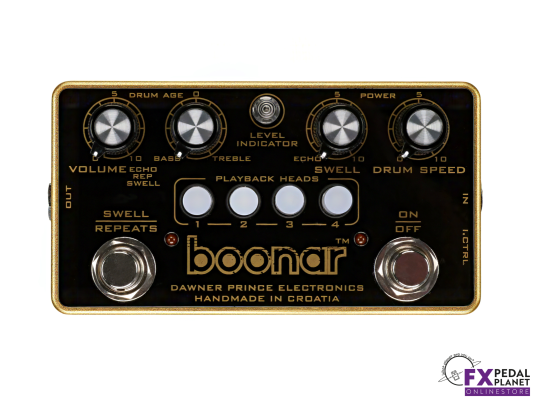
Boonar MKII
£299.00
Latest Products
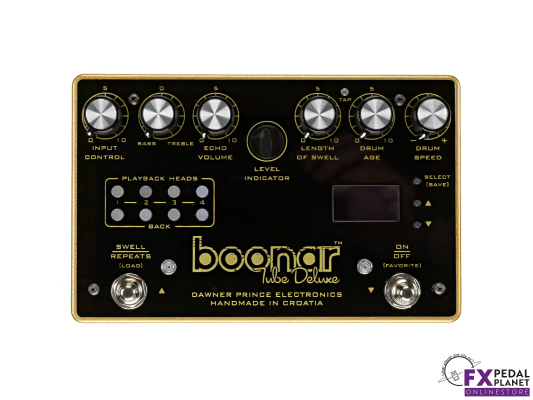
Boonar Tube Deluxe Ltd
£1,155.00

Latest Products
High/Low Shelf
£125.00
Latest Products
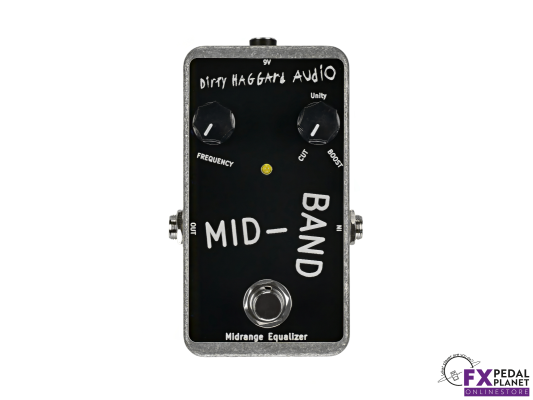
Mid Band
£125.00

Latest Products
Mangled Black
£135.00

Latest Products
Strychnine
£135.00

Latest Products
Bad Tones Forever
£199.00
Latest Products
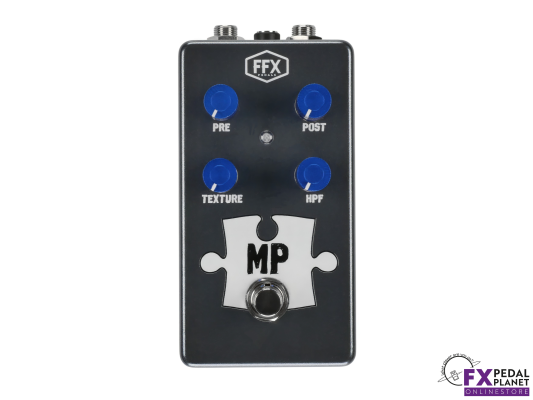
MP
£169.00

Latest Products
Spliff
£139.00

Latest Products
Artery
£149.00

Latest Products
33 Mini
£205.00

Latest Products
Zuul Mini
£205.00

Latest Products
Grind
£229.00

Latest Products
Zuul +
£229.00

Latest Products
Zuul Blackout Embossed
£235.00

Latest Products
Zuul + Blackout
£245.00

Latest Products
Fourteen
£249.00

Latest Products
33
£259.00
Latest Products
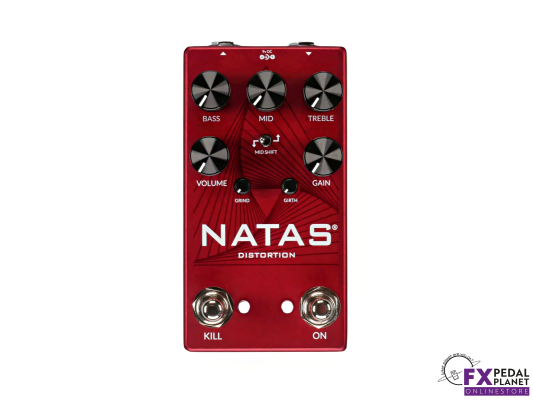
NATAS
£299.00
Latest Products
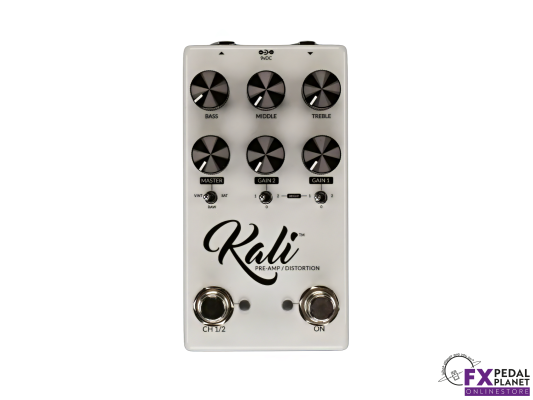
Kali
£339.00

Latest Products
Meshuggah
£349.00
Latest Products
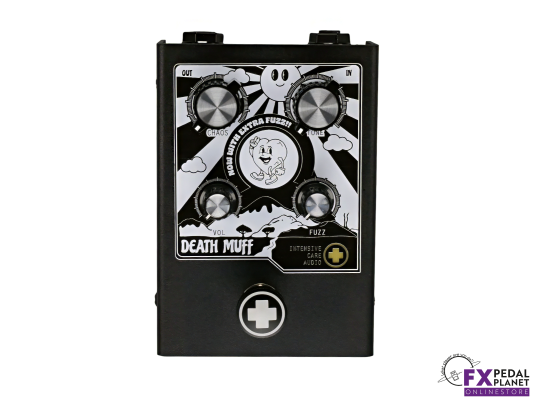
Death Muff
£149.00
Latest Products
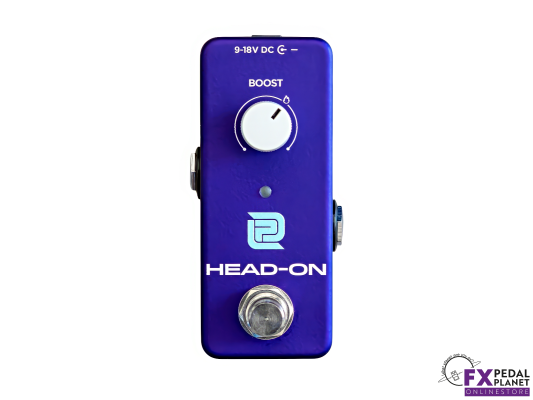
Head On
£139.00
Latest Products
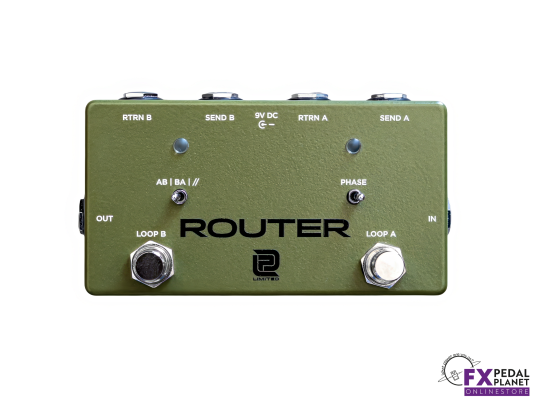
Router
£179.00

Latest Products
OKB X3
£199.00
Latest Products
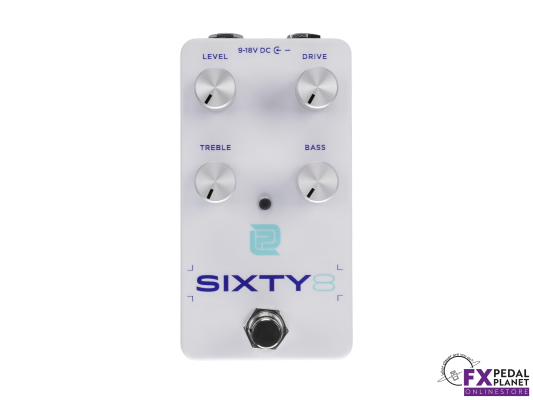
Sixty 8
£199.00

Latest Products
JMP 79
£220.00
Latest Products
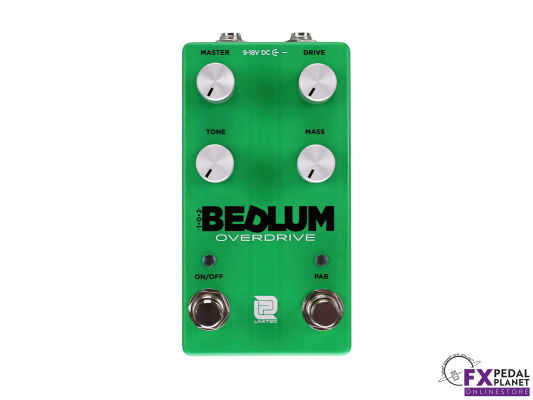
Bedlum
£229.00
Latest Products
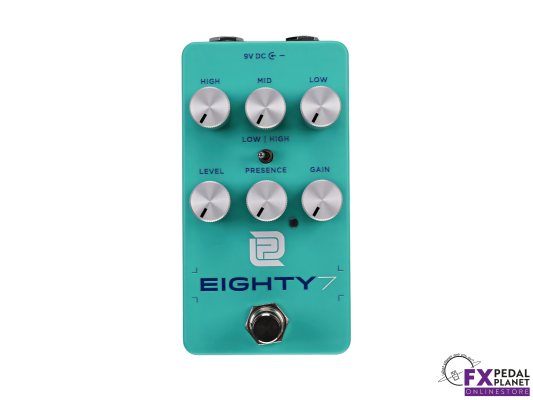
Eighty 7
£239.00
Latest Products
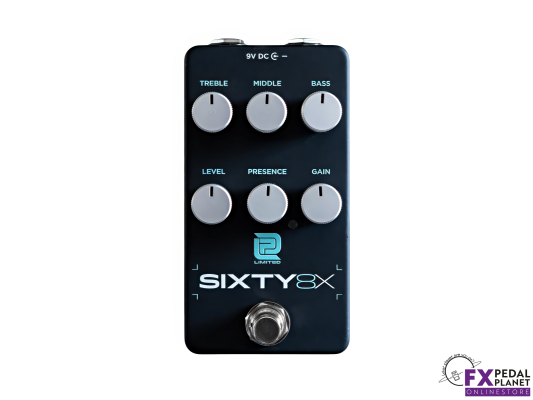
Sixty 8X
£239.00

Latest Products
Lucent Boost
£245.00

Latest Products
Sixty 8 Deluxe
£289.00

Latest Products
Seventy 4 Deluxe
£299.00

Latest Products
Supernode
£299.00

Latest Products
Even Drive
£799.00

Latest Products
Dirty Diablo Dual White
£214.00
Latest Products
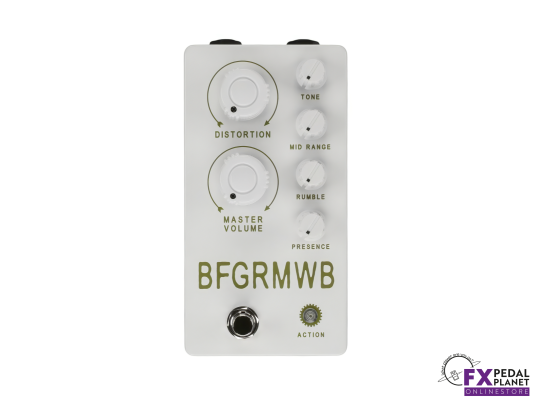
BFGRMWB
£245.00

Latest Products
G8
£179.00
Latest Products
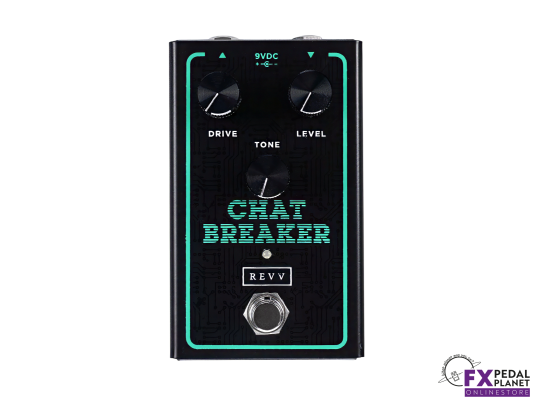
Chatbreaker
£199.00
Latest Products
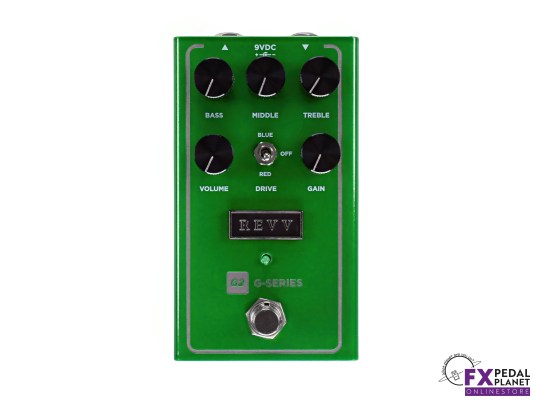
G2
£219.00
Latest Products
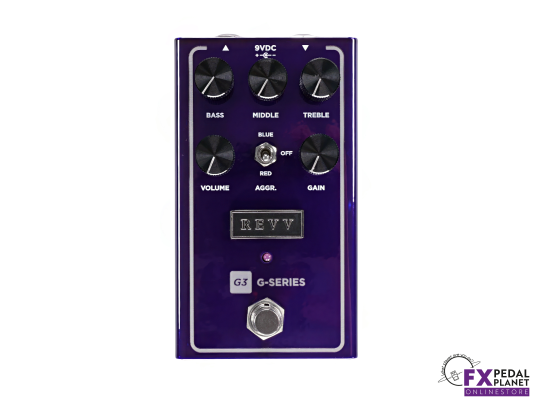
G3
£219.00

Latest Products
G4
£225.00

Latest Products
Tilt
£239.00
Latest Products
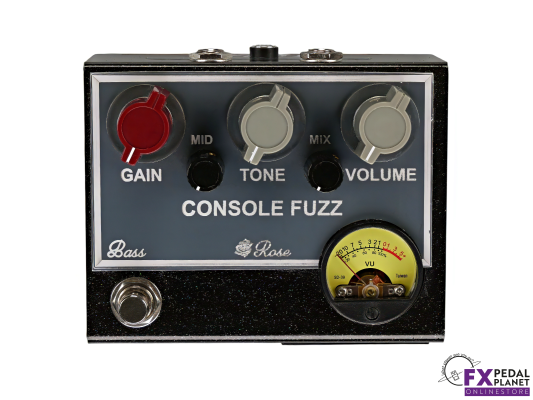
Bass Console Fuzz
£309.00
Latest Products
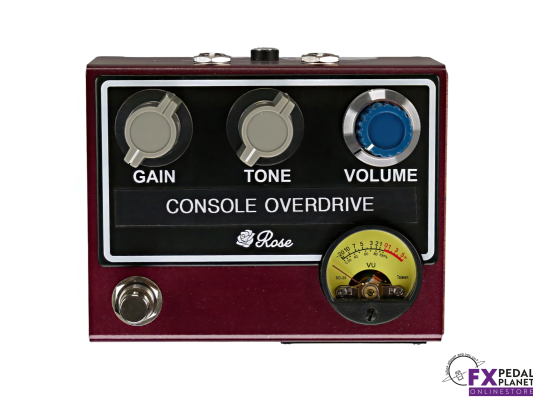
Console Overdrive
£309.00
Latest Products
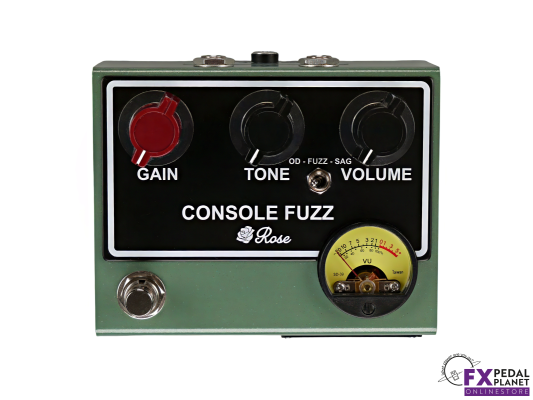
Modified Console Fuzz
£309.00

Latest Products
T.O.D.D. 2
£309.00

Latest Products
B-15 Valve Bass Preamp
£699.00

Latest Products
Eat Dirt
£249.00

Latest Products
Half Day
£139.00

Latest Products
Extra Credit Boost
£149.00

Latest Products
Gus-Drive
£149.00

Latest Products
Gus-Plus
£149.00

Latest Products
Pep Rally
£149.00
Latest Products
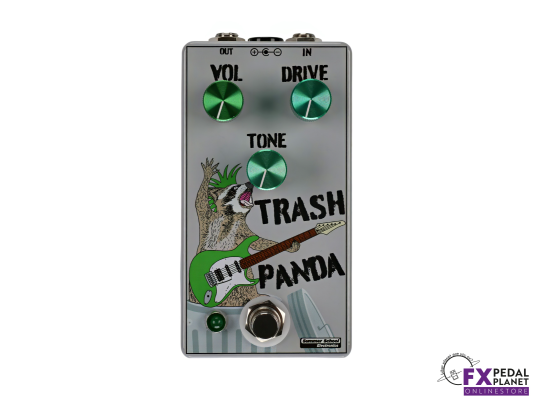
Trash Panda
£149.00

Latest Products
Gladys V2
£165.00

Latest Products
Science Fair
£165.00

Latest Products
Snow Day Delay
£179.00

Latest Products
The Class Reunion
£179.00

Latest Products
Middle School Chorus
£199.00

Latest Products
Spring Break
£199.00
Latest Products
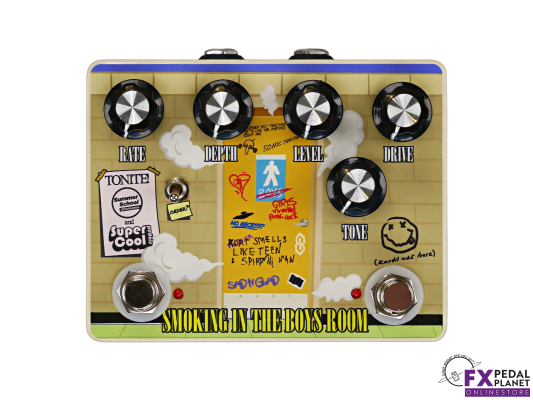
Smoking In The Boys Room
£279.00
Latest Products
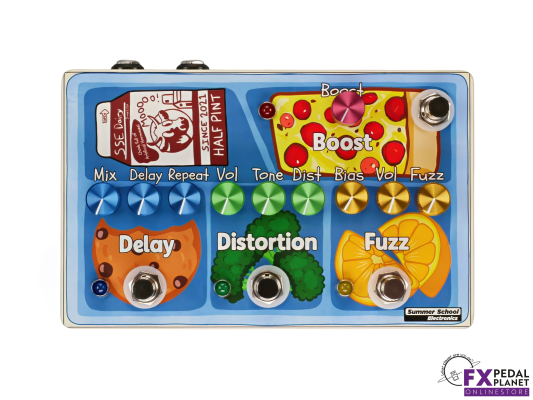
School Lunch
£499.00
Latest Products
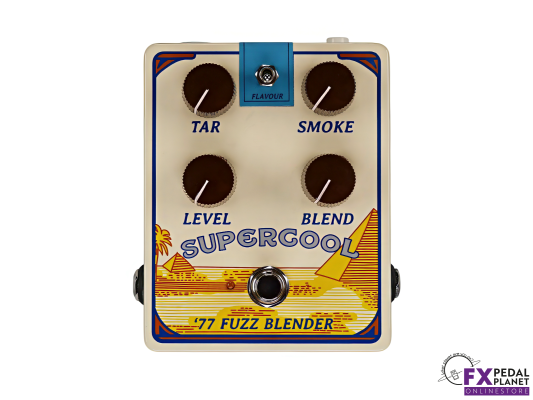
77 Fuzz Blender
£199.00
Latest Products
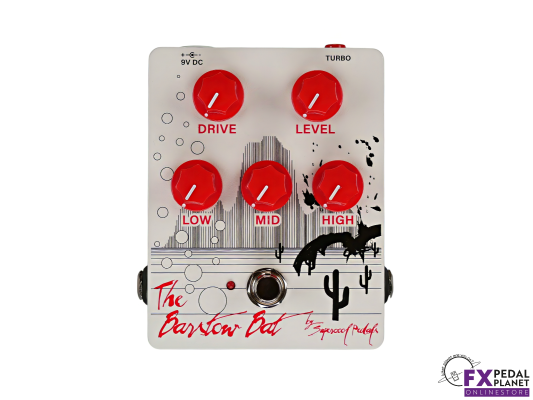
The Barstow Bat
£199.00
Latest Products
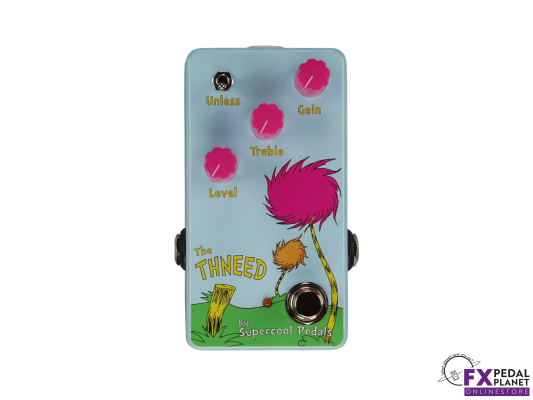
The Thneed
£199.00
Latest Products
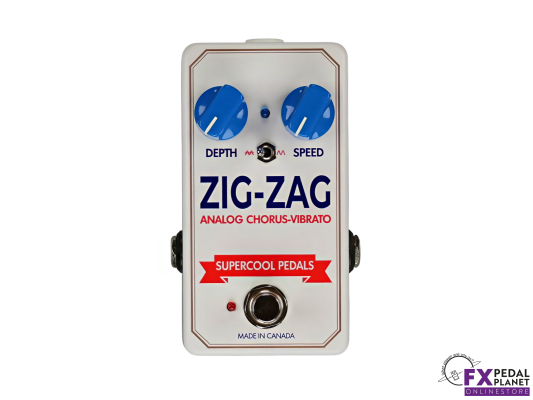
Zig-Zag
£199.00
Latest Products
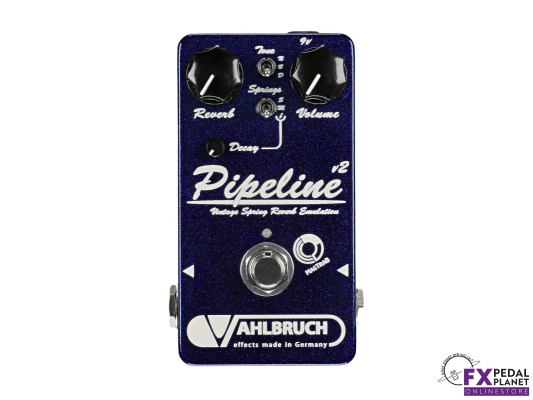
Pipeline V2
£179.00

Latest Products
Octavia V2
£195.00

Latest Products
Quantum
£199.00

Latest Products
SpaceTime Tap V2
£245.00

Latest Products
Kaluna V2
£299.00

Latest Products
Shanks II
£325.00

Latest Products
Budi-G
£345.00
Latest Products
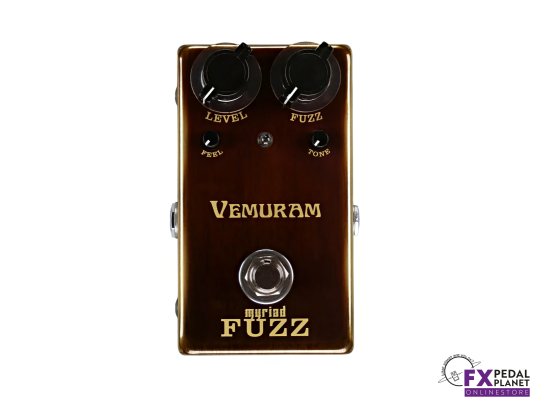
Myriad Fuzz
£379.00

Latest Products
Shanks ODS-1
£399.00

Latest Products
Expressor
£190.00

Latest Products
FireDirt
£190.00

Latest Products
1987 V2
£219.00

Latest Products
Black Tweed Plus
£259.00
Latest Products
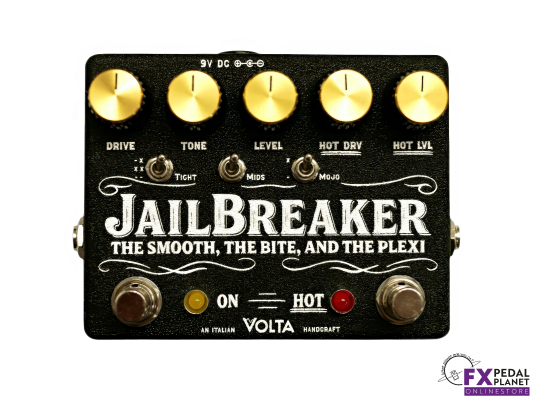
Jailbreaker
£259.00

Latest Products
The Blue
£279.00

Latest Products
1987 Pro
£299.00

Latest Products
1987 Pro MIDI
£330.00
Catching Up With Dionysian After Sanremo Rock
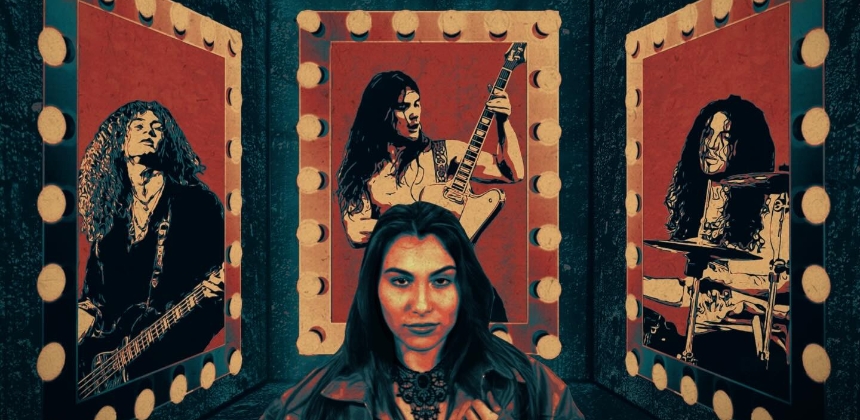
When Dionysian won the 35th edition of Sanremo Rock in 2022, standing out from more than 1,500 competing artists, it felt like a moment of arrival. They went on to collect further recognition at the Fantastico Festival in Genoa the same year, taking home both Best Original Song and the Critics’ Choice Award. For a young band, it could easily have become a peak.
Instead, Dionysian treated it as a starting point.
In the time since, the Turin-based band have focused on the slower, less visible work: playing shows, refining songs and learning how to function as a tighter, more confident unit. That journey has taken them from Italian stages to international venues including the Ariston Theatre, the Whisky A Go Go and the Hard Rock Cafe. Each show added something, not just in terms of exposure, but in how the band listen to each other and shape their sound.
That experience now feeds directly into their self-titled debut album, Dionysian. The record sits comfortably in hard rock and metal, with blues and folk influences woven through it. There are moments of swagger, moments of bite and moments of restraint. Alongside the heavier material, the band allow space for acoustic recordings that show a softer, more reflective side without feeling disconnected from the whole.
What defines the album most clearly is how cohesive it feels. The band sound settled, not rushed. Alessandro Tafuri and Yuri Red give the music a solid, dependable core, allowing songs to move with purpose rather than force. Alex Wilkie’s guitar work brings power and clarity without dominating the arrangements, while Raffaella De Luca’s vocals provide a strong focal point — direct, punchy and expressive, shaping each song’s character rather than overpowering it.
For FX Pedal Planet, this felt like the right moment to catch up with Dionysian: to talk about how life has changed since their award wins, how the debut album came together, and what lies ahead — as a band first and foremost.
Catching up with Dionysian
Since winning Sanremo Rock in 2022, how has your perspective changed as a band? Did success bring clarity, pressure, or a bit of both?
Hi Steve, thanks for having us!
Sanremo Rock has been an important milestone for us.
2022 was a crazy year, as we got to perform our festival shows, won multiple competitions (including the aforementioned Sanremo Rock), wrote and recorded new material, and released “Vital Vibrations”, the track that allowed us to go places that year.
It was quite a lot to take in, especially considering most of it happened in the latter six months of 2022, and we, like the whole world at that point, were just starting to readjust to a post-COVID restrictions lifestyle.
Looking back, a good mix of both clarity and pressure were the result of all of that, but we were busy enough at the time not to stop and think about it too much. We just kept doing what we had already planned in our minds, just with the added bonus of the recognition from Sanremo Rock.
After the awards and competitions, what did you consciously decide not to rush into?
A full-length album, at least not right away.
We got into the studio a couple of months after the win and recorded a then-new single, “Under Your Spell”, to use the momentum we had to our advantage, but decided to push back the whole “debut record” thing.
We started writing original music from the get-go when we formed the band back in 2018, so there has never been a shortage of material on our part, but we were adamant not to rush an album, especially because you only get one shot at a debut.
It was paramount to find the right studio and people to make it with, all while refining the material to the best possible result.
Looking back now, what do you think you learned most from the period between Sanremo Rock and finishing this album?
We were lucky enough to be able to play a lot of shows in 2023 and 2024, both all over Italy and abroad. Our first international gig was at the Hard Rock Cafe in Munich, Germany.
Two weeks after that, we made our US debut at the Whisky A Go Go in Los Angeles.
All that performing and travelling made us a tighter unit, so we used these experiences to fuel our output for future recordings. During that time, we also settled on a studio (One E Music) we found in Rome through Gianni Errera, one of the judges for Sanremo Rock.
We met up with him and started working on the demos for what would eventually become our self-titled debut.
Dionysian feels confident without being overstated. How important was it to let the album reflect who you are now, rather than who people might expect you to be?
As stated previously, we started writing right from the first time we got together as a unit. Having a large enough catalogue of originals after years of playing together gave us the luxury to cherry-pick eight tracks that currently represent us best.
We chose the songs that we perform the most live and decided to keep the album relatively short. Some of our favourite records, such as “4” by Led Zeppelin and Metallica’s “Ride the Lightning”, are made up of eight songs, so it seemed like the perfect number.
You balance heavy material with acoustic and more restrained moments. How do you decide when a song needs space rather than power?
The balance between lighter and heavier sounds has always been something that intrigued us. A lot of our influences, like Alice in Chains and Heart, blend the two to great results.
A good chunk of our material usually starts out as an acoustic idea, then develops into a fuller, rockier sound. With that, most of our songs have a folky heart. There is so much that can be done with the right blend of acoustic and electric elements. Take Pete Townshend of The Who: he is a master when it comes to that kind of mix.
It’s like painting in a way — shadows and light.
How do songs usually start for Dionysian — with a riff, a rhythm, a vocal idea, or something else entirely?
It varies from song to song, but usually we like to start with a riff or some lyrics. Once the initial idea is developed, be it words accompanied by a vocal melody or a chord progression, each member joins in and adds their respective part.
We keep it collaborative; therefore, each song is a team effort. Every one of us has diverse influences, and we like to keep it open and see what we can all bring to the table when it comes to arranging a new track together.
Has your way of working together changed since you began playing bigger stages and international shows?
Not really. We have had the same routine and work ethic pretty much from day one.
Were there any songs on the album that only really came together once you started playing them live?
We took our time with the recording of the album to develop the songs as best we could and make them as tight as possible. We achieved that mainly by playing each single track live for a lengthy period of time.
Over the various performances, we would add or take away little nuances from the arrangements and revise them until we felt the material was strong enough to be recorded. It was the slowest road to take, but we were in no rush to put out something that we weren’t satisfied with.
Sound and approach
When recording the album, how important was it for everyone to feel comfortable with their sound before pressing record?
Being comfortable and confident with our sound was very important during the recording of the album, and we took the time to find the right tones and timbres. Luca Valsiglio, our sound engineer for this record, helped us a lot with his expertise.
Being used to working as a tight four-piece unit, it was refreshing to have some external ears to rely upon for certain things, especially considering Luca’s experience and professionalism.
Alex and Yuri, how much did your live setups influence the tones you used on the album?
For the guitar and bass sounds, we used a very similar setup to what we are accustomed to for live performances. For both of us, the bulk of it (probably 75%) was our live rig, from the amps, pedals and guitars. That being said, we left some room for experimentation — otherwise, where would the fun be?
(Alex) Amplifier-wise, I am a loyal ENGL Fireball 60 user. That head through a Marshall 1960 4x12 cab is the sound in my head. To get a little bit more texture on certain tracks, though, I used an early ’80s Marshall JCM 800 head, boosted with an MXR EVH 5150 Overdrive. That allowed me to keep a similar sound to my main ENGL, but different enough to make the guitar tone a little more 3D on certain songs, at least to my ears.
Guitar-wise, I used my 2017 Gibson Firebird, my 2013 Gibson SG Custom (Kirk Douglas Model) and my rosewood-neck Fender Strat with Custom Shop Fat 50s pickups. I also played a few different axes they had in the studio, like a very nice 2010s Gibson Parlor acoustic and a 1979 Fender Stratocaster.
For pedals, aside from the aforementioned EVH Overdrive, I just used my regular live ’board. One thing I started doing quite a bit to thicken up my cleans is using the boost side of my Dophix Michelangelo. That was always on for “Alpha Man”.
(Yuri) I played my Epiphone 4-string Thunderbird for all the bass tracks on the record. It has very nice-sounding humbuckers that pair well with its bolt-on neck construction. I think that was the only bass I used on the album.
Regarding pedals, I used my live rig plus some added effects during the mixing process. I worked closely with Luca on that aspect of the project.
Did you aim for a consistent sound across the record, or allow tones to change naturally from song to song?
We tried to keep the sound as consistent as possible. Most of the songs have a harder edge to them, though there are some quieter spots on a few tracks, so we challenged ourselves with adjusting the dynamics for these softer moments while keeping the overall tone of the album coherent.
On tour, do you see your gear as something that needs to stay familiar, or are you open to experimenting as the band grows?
Live sounds are ever-evolving for us. Of course we have our mainstays — after all, we built our foundations on them — but it’s fun to keep an open mindset. Be it with guitars, amps or pedals, there is always room for something new in our setups.
Looking forward
After awards, international shows and now a debut album, what feels like the next meaningful step for Dionysian?
Possibly a second record. We have a good amount of unreleased material that could lay the groundwork for a sophomore album. But it’s a little too early to talk about it now.
What do you hope people understand about the band after spending time with this record?
That what you’re listening to is the product of a lot of time, care and effort put into a project. But mostly, that it can hopefully inspire and give a good time to whoever tunes in.
When you look back in a few years, what would make you feel that Dionysian was an honest snapshot of this moment?
Most definitely.
Closing thoughts
Dionysian don’t sound like a band chasing momentum. Instead, they sound like a band that understand where they’ve come from and are ready to take that influence forward on their own terms. There’s a clear sense of energy and confidence running through the album, but also a feeling that something new is taking shape — not louder or faster for effect, but more focused and assured.
The record reflects time spent on stage, lessons absorbed along the way, and confidence built through steady progress rather than noise. For a band that first came to wider attention through competition wins, this debut feels grounded, measured and genuinely earned.
Most importantly, it feels like the start of something with real longevity.
FX Pedal Planet would like to thank Dionysian for their time and openness during the writing of this article and interview. We wish them every success going forward and encourage our readers to explore the band further by visiting their website and social media pages, giving them a follow, and checking out their upcoming shows.
If you get the chance, we’d also strongly recommend catching Dionysian live.


Payment methods accepted