

Latest Products
Blues Believer
£189.00
Latest Products
Utopia MKII
£249.00
Latest Products
Utopia MKII Ltd Edition
£249.00

Latest Products
Axe Blast Mini
£4.99
Latest Products
Lubricant Oil
£4.99
Latest Products
Lubricant Powder
£4.99
Latest Products
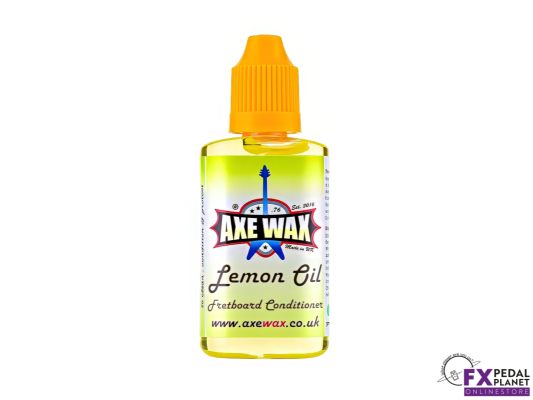
Lemon Oil
£6.99
Latest Products
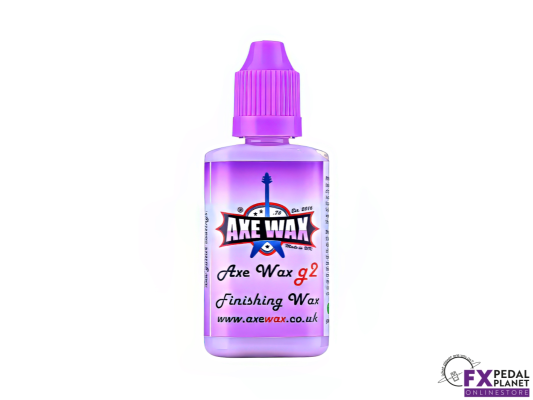
Finishing Wax G2
£6.99
Latest Products
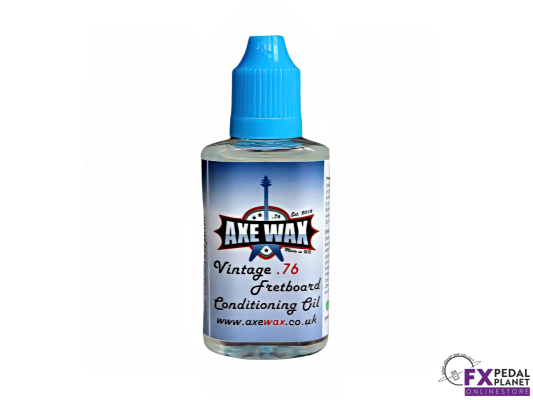
Fretboard Conditioning Oil
£6.99
Latest Products
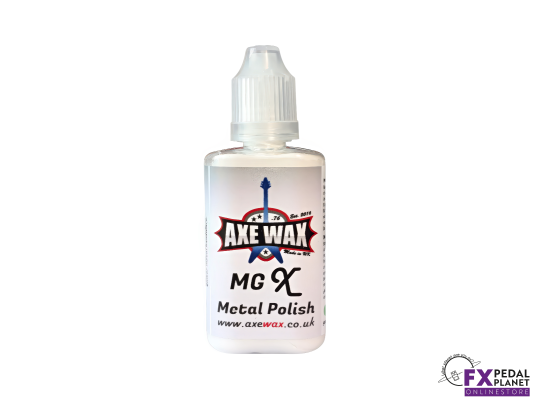
MG X Metal Polish
£6.99
Latest Products
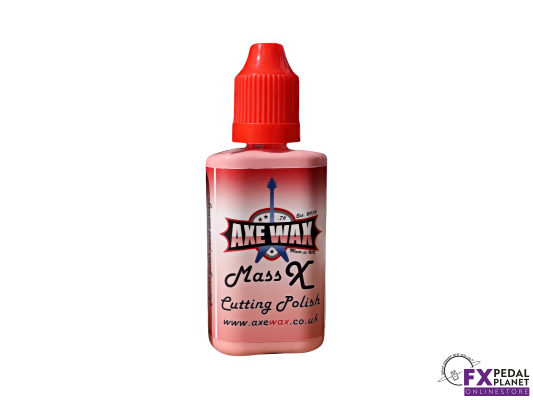
Mass X Cutting Polish
£6.99

Latest Products
Guitar Balm Vintage .76 Original
£9.99

Latest Products
Guitar Wax Candy
£9.99

Latest Products
Guitar Wax Coffee
£9.99

Latest Products
Donut Hole
£149.00

Latest Products
Affogato Fuzz
£195.00

Latest Products
Cold Brew
£239.00

Latest Products
London Fog
£239.00
Latest Products
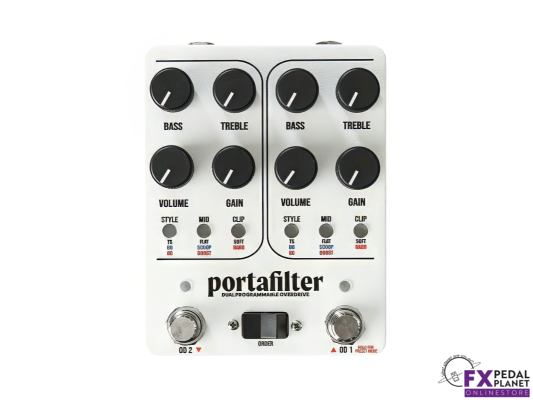
Portafilter
£349.00
Latest Products
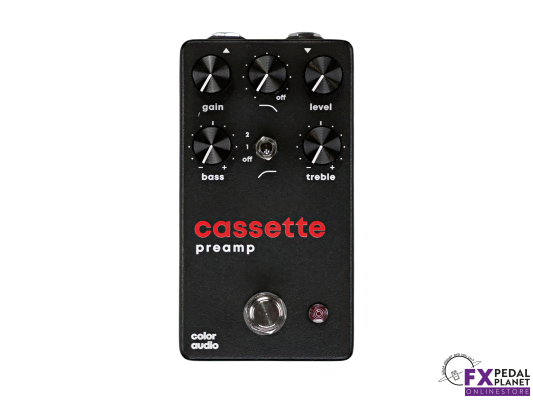
Cassette Pre Amp
£249.00
Latest Products
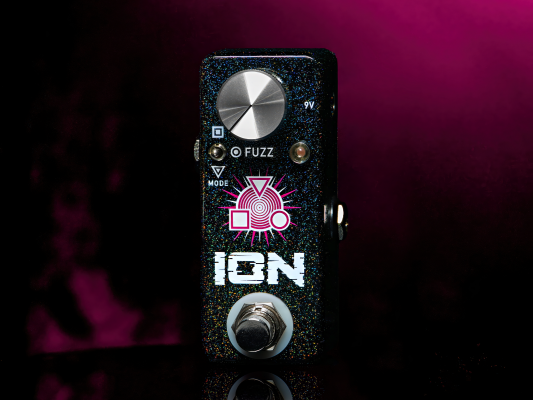
ION
£149.00

Latest Products
Foxcatcher V2
£249.00
Latest Products
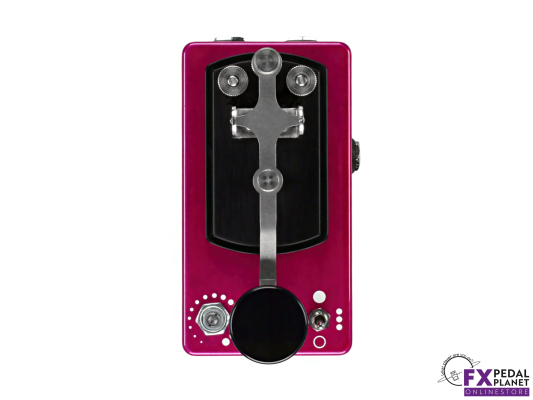
Telegraph V2 Summer Punch
£299.00

Latest Products
Soft Clip Distortion Cir-Kit
£29.00

Latest Products
Imperium V2
£319.00

Latest Products
Nucleo
£375.00
Latest Products
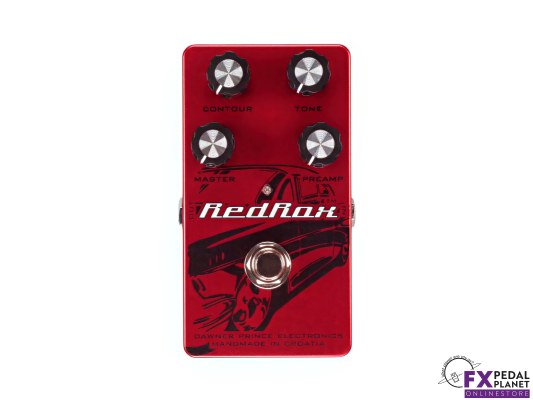
Red Rox
£185.00
Latest Products
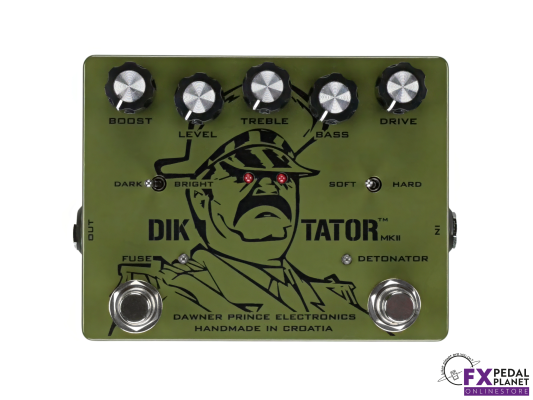
Diktator MKII
£259.00
Latest Products
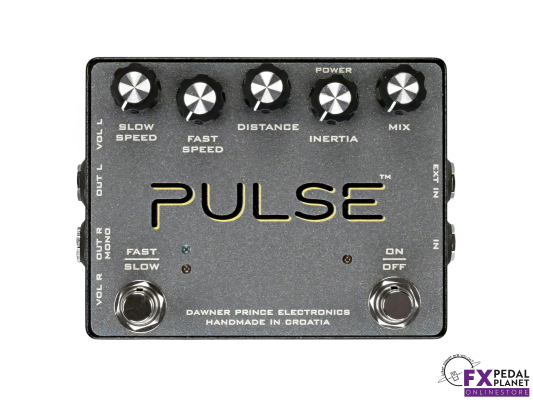
Pulse
£269.00
Latest Products
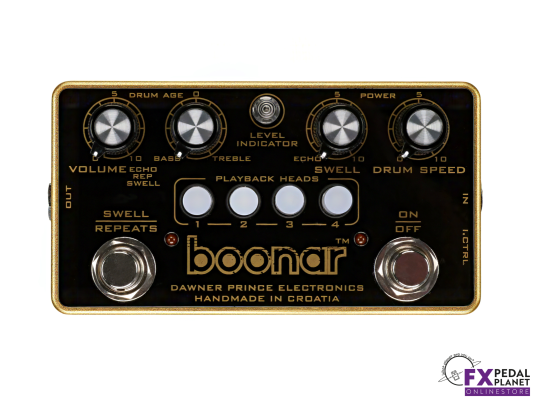
Boonar MKII
£299.00
Latest Products
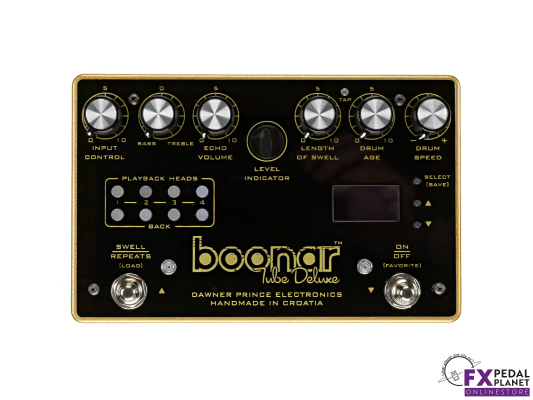
Boonar Tube Deluxe Ltd
£1,155.00

Latest Products
High/Low Shelf
£125.00
Latest Products
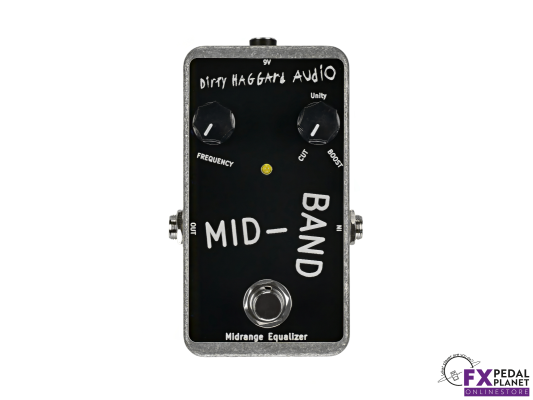
Mid Band
£125.00

Latest Products
Mangled Black
£135.00

Latest Products
Strychnine
£135.00

Latest Products
Bad Tones Forever
£199.00
Latest Products
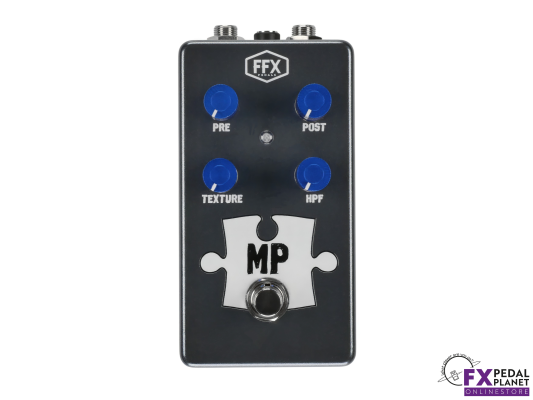
MP
£169.00

Latest Products
Spliff
£139.00

Latest Products
Artery
£149.00

Latest Products
33 Mini
£205.00

Latest Products
Zuul Mini
£205.00

Latest Products
Grind
£229.00

Latest Products
Zuul +
£229.00

Latest Products
Zuul Blackout Embossed
£235.00

Latest Products
Zuul + Blackout
£245.00

Latest Products
Fourteen
£249.00

Latest Products
33
£259.00
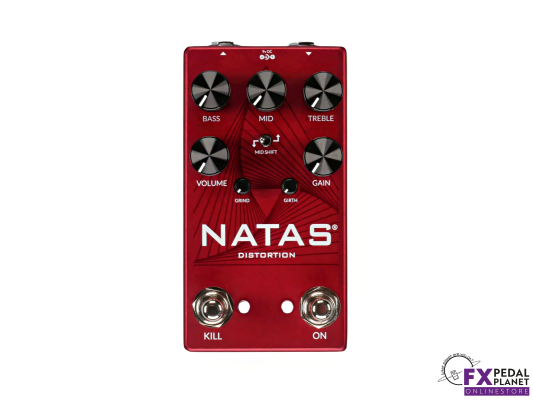
Latest Products
NATAS
£299.00
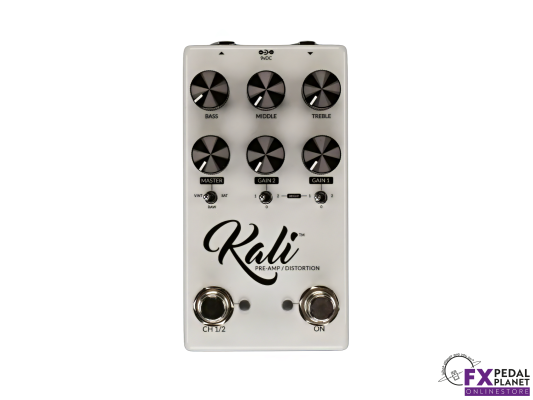
Latest Products
Kali
£339.00

Latest Products
Meshuggah
£349.00
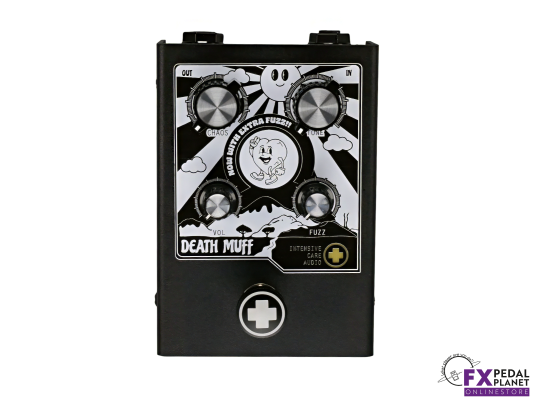
Latest Products
Death Muff
£149.00
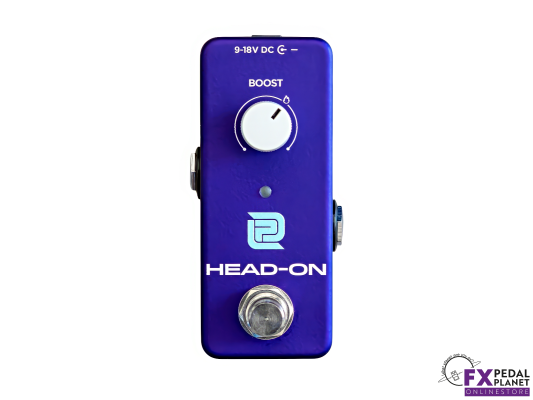
Latest Products
Head On
£139.00
Latest Products
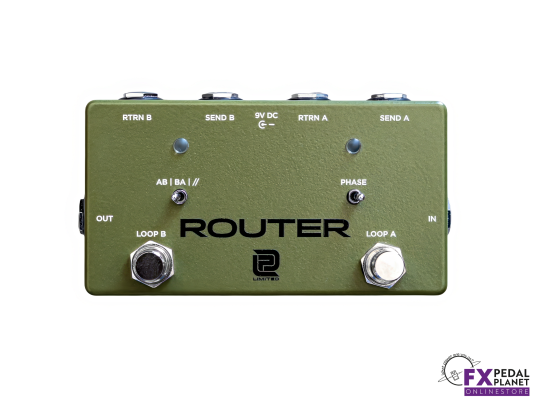
Router
£179.00

Latest Products
OKB X3
£199.00
Latest Products
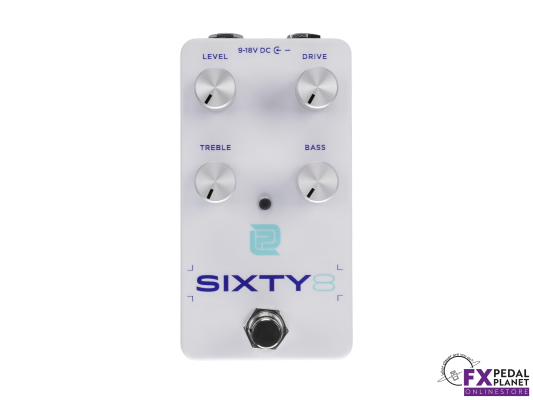
Sixty 8
£199.00

Latest Products
JMP 79
£220.00
Latest Products
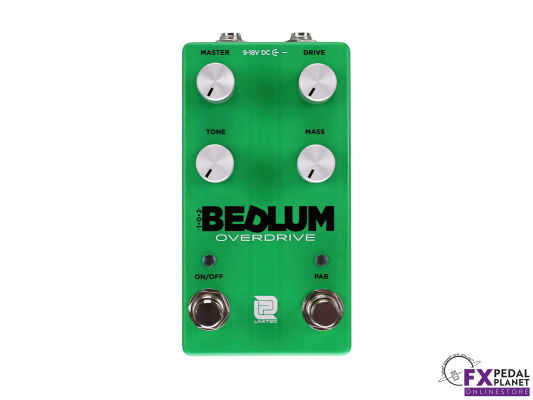
Bedlum
£229.00
Latest Products
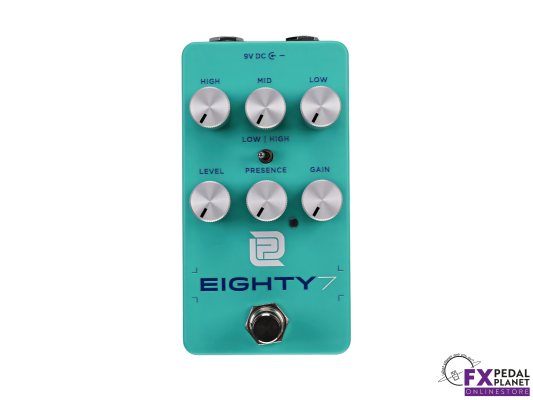
Eighty 7
£239.00
Latest Products
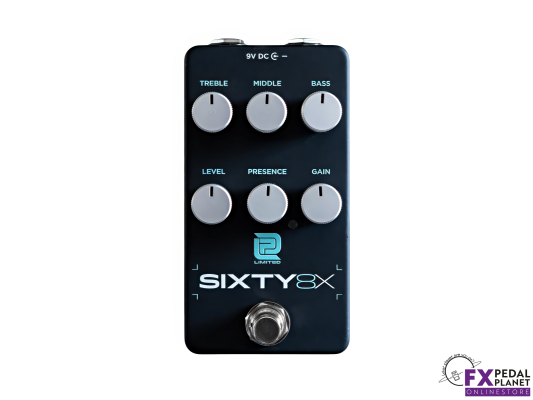
Sixty 8X
£239.00

Latest Products
Lucent Boost
£245.00

Latest Products
Sixty 8 Deluxe
£289.00

Latest Products
Seventy 4 Deluxe
£299.00

Latest Products
Supernode
£299.00

Latest Products
Even Drive
£799.00

Latest Products
Dirty Diablo Dual White
£214.00
Latest Products
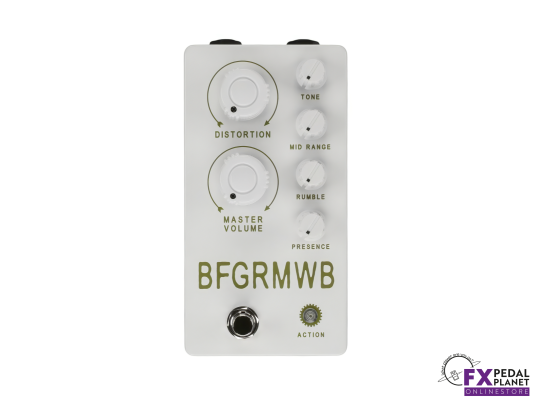
BFGRMWB
£245.00

Latest Products
G8
£179.00
Latest Products
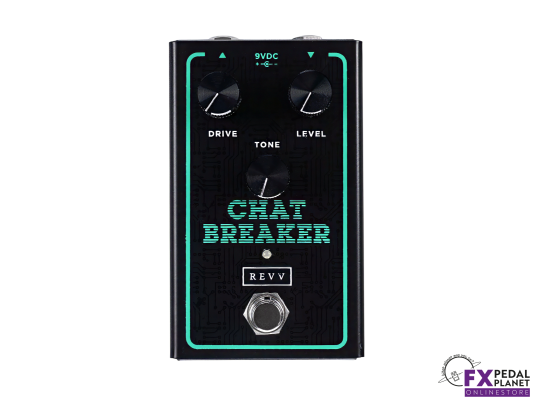
Chatbreaker
£199.00
Latest Products
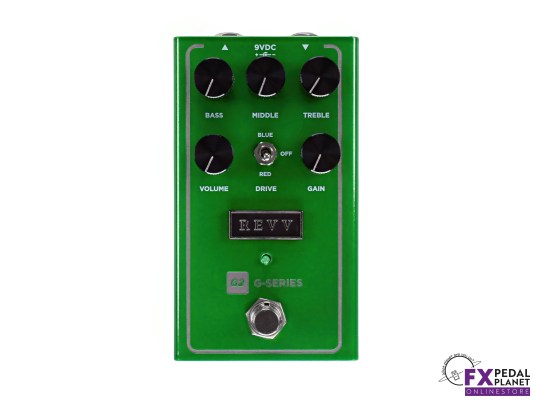
G2
£219.00
Latest Products
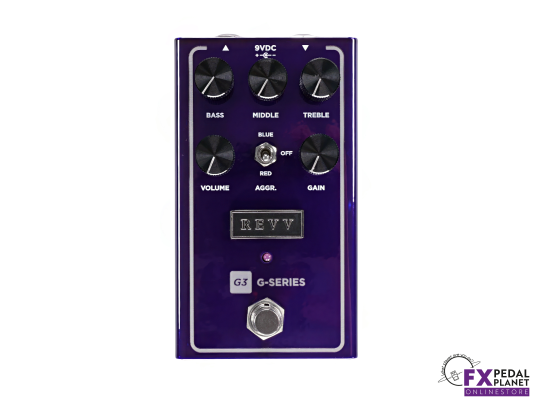
G3
£219.00

Latest Products
G4
£225.00

Latest Products
Tilt
£239.00
Latest Products
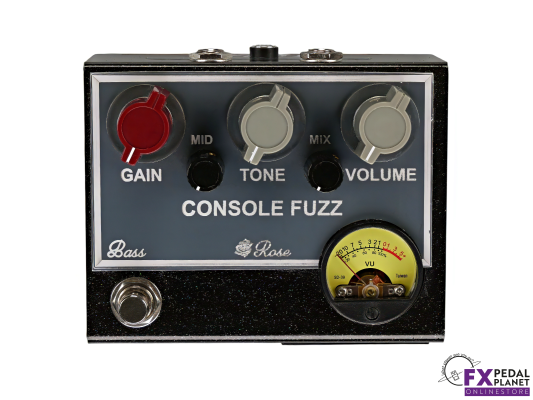
Bass Console Fuzz
£309.00
Latest Products
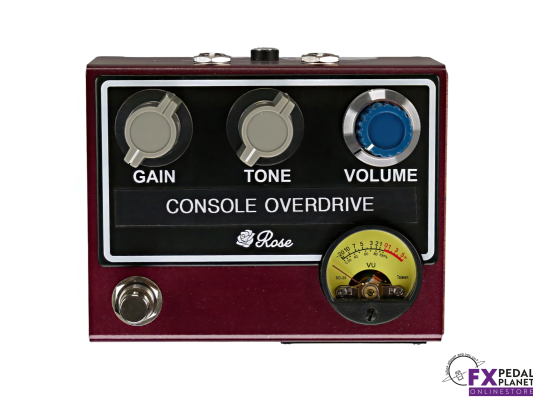
Console Overdrive
£309.00
Latest Products
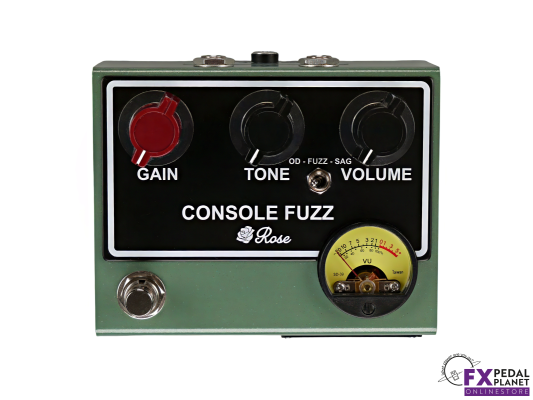
Modified Console Fuzz
£309.00

Latest Products
T.O.D.D. 2
£309.00

Latest Products
B-15 Valve Bass Preamp
£699.00

Latest Products
Eat Dirt
£249.00

Latest Products
Half Day
£139.00

Latest Products
Extra Credit Boost
£149.00

Latest Products
Gus-Drive
£149.00

Latest Products
Gus-Plus
£149.00

Latest Products
Pep Rally
£149.00
Latest Products
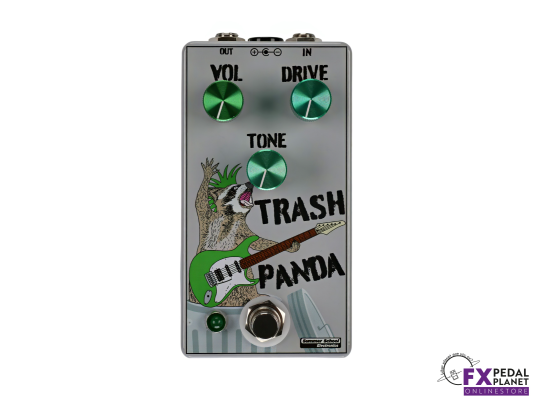
Trash Panda
£149.00
Latest Products
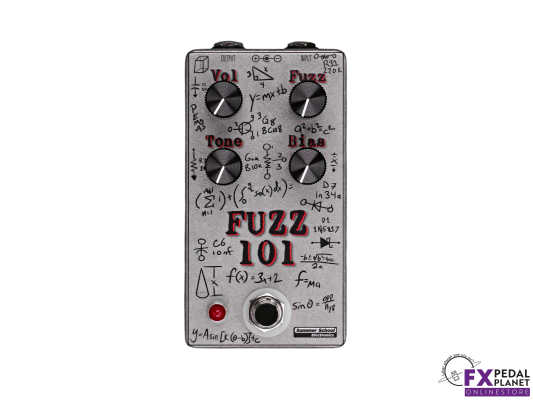
101
£165.00

Latest Products
Gladys V2
£165.00

Latest Products
Science Fair
£165.00

Latest Products
Snow Day Delay
£179.00

Latest Products
The Class Reunion
£179.00

Latest Products
Middle School Chorus
£199.00

Latest Products
Spring Break
£199.00
Latest Products
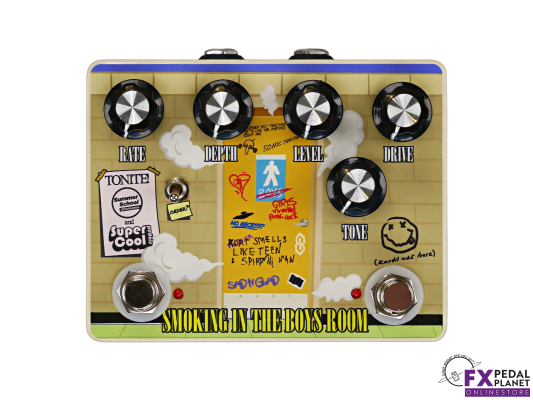
Smoking In The Boys Room
£279.00
Latest Products
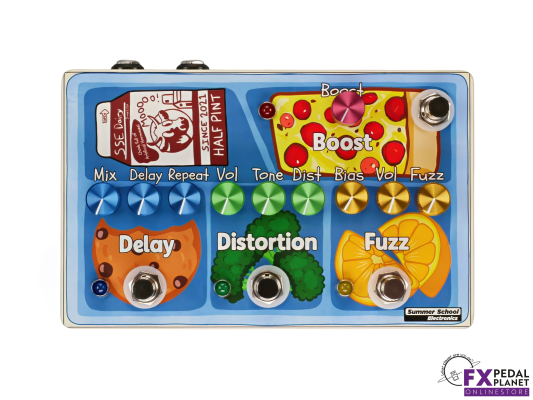
School Lunch
£499.00
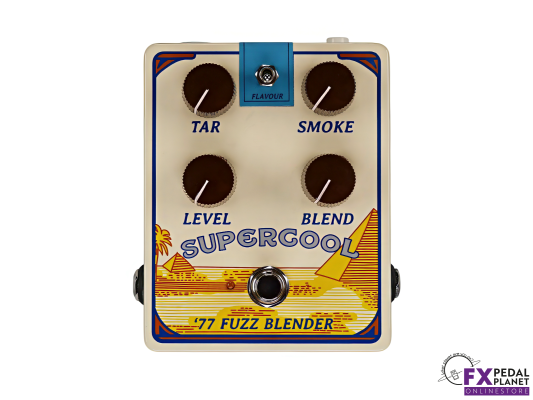
Latest Products
77 Fuzz Blender
£199.00
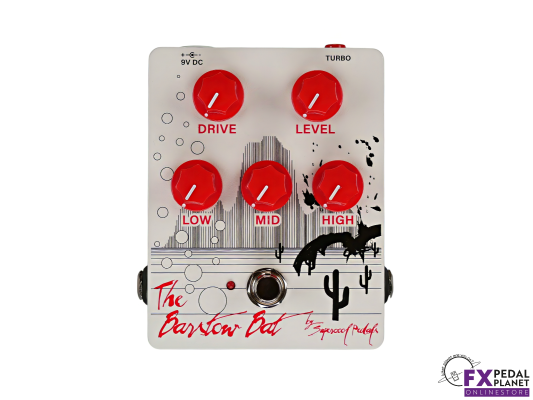
Latest Products
The Barstow Bat
£199.00
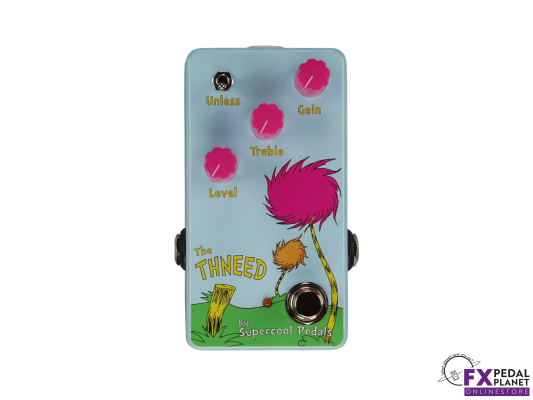
Latest Products
The Thneed
£199.00
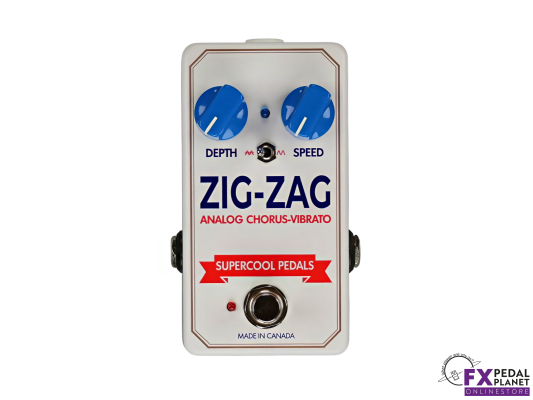
Latest Products
Zig-Zag
£199.00
Latest Products
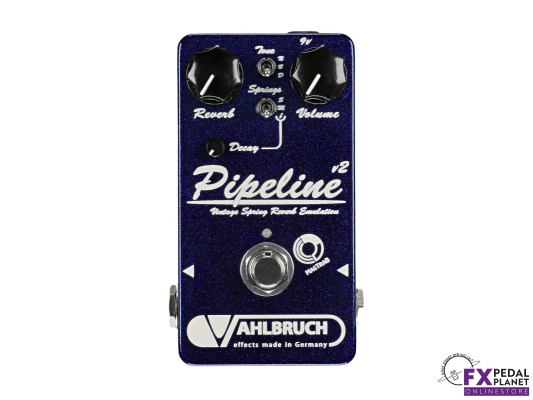
Pipeline V2
£179.00

Latest Products
Octavia V2
£195.00

Latest Products
Quantum
£199.00

Latest Products
SpaceTime Tap V2
£245.00

Latest Products
Kaluna V2
£299.00

Latest Products
Shanks II
£325.00

Latest Products
Budi-G
£345.00
Latest Products
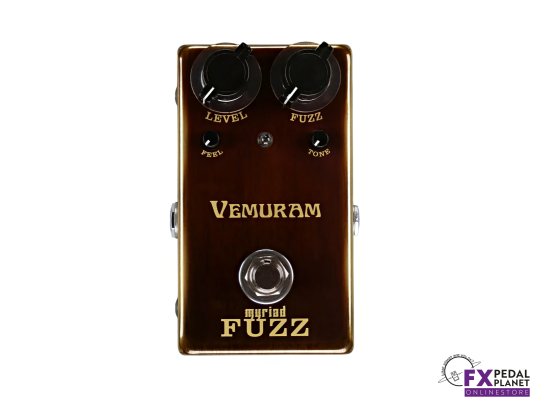
Myriad Fuzz
£379.00

Latest Products
Shanks ODS-1
£399.00

Latest Products
Expressor
£190.00

Latest Products
FireDirt
£190.00

Latest Products
1987 V2
£219.00

Latest Products
Black Tweed Plus
£259.00
Latest Products
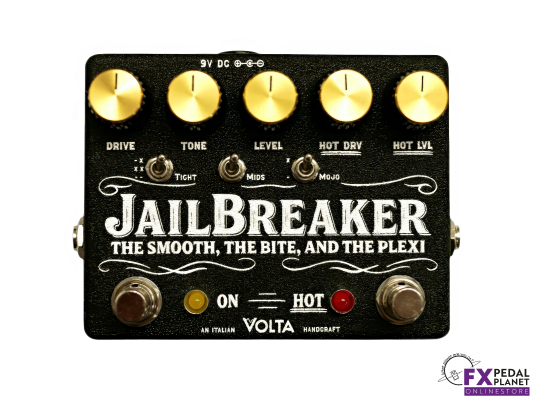
Jailbreaker
£259.00

Latest Products
The Blue
£279.00

Latest Products
1987 Pro
£299.00

Latest Products
1987 Pro MIDI
£330.00
Intensive Care Audio Launch New Overdrive
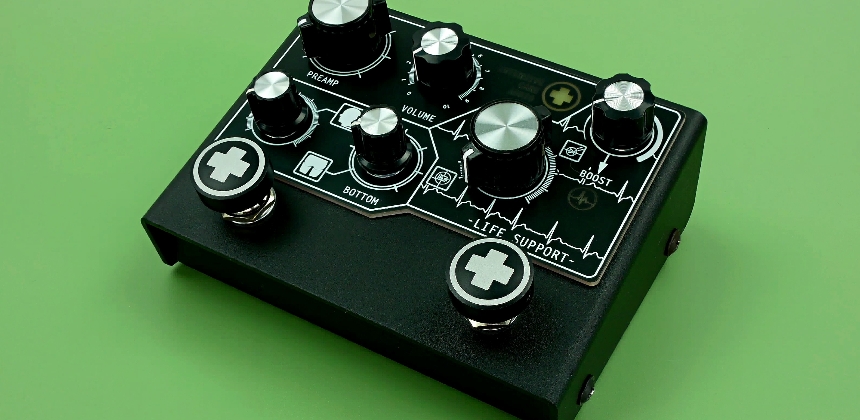
FX Pedal Planet Online Store extends its heartfelt congratulations to Patrick of Intensive Care Audio for the successful launch of their latest product, the Life Support overdrive.
Introducing the Intensive Care Audio Life Support: a revolutionary high fidelity, all analog overdrive and distortion pedal designed to deliver premium amp like tones.
In our recent discussion with Dr Patrick from Intensive Care Audio, we had the opportunity to delve into the details of the Life Support and gain insights into its exceptional performance.
What inspired the design concept behind the Life Support
I have played many overdrives, distortions, fuzzes, and preamps over the years, some I love, some I am largely indifferent to. But, what I usually found is that they tend to have sweet spots and then largely dead unusable areas. This is obviously just my tastes, but I really wanted to try and make a preamp or overdrive pedal which had a distinct character in every position, and more importantly sounded fantastic in every position. That was the goal from the very beginning.
Can you delve into the technical aspects that allow the Life Support to achieve such a wide spectrum of tones, from clean to saturated distortions
At the heart of it is a very low noise operational amplifier. At low gain settings you can get pretty clean, but as you dig in it begins to dirty up a little. It's nicely dynamic in this way. The gain created by the opamp amplifies the signal before it hits the clipping section, which to varying degrees 'chops off' parts of the wave form, creating distortion and an increase in harmonic content. Turning up the gain creates a larger signal and so more clipping, more distortion and more harmonics.
How does the combination of LED soft breakup with MOSFET/JFET compressed saturation contribute to the pedal's unique sound
It's the ability to blend between the two clipping options, which I think is a really cool feature. Rather than a toggle switch where you can flick between two stock settings, the Life Support gives you a knob so you can blend between the two. As you note, LEDs have a softer type of clipping, it tends to sound slightly more natural and 'transparent', more like tube amp clipping. On the other side is a strange parallel MOSFET/JFET arrangement which creates a much grittier, harsher but still incredibly musical distortion. Setting it somewhere in the middle gives you the clarity and sparkle of the LED side, but adds in a bit of grit, increases the harmonic content and fuzzes up the bottom end a bit more.
How does the Life Support's boost control specifically enhance the front end drive, especially for lead or solo moments
The boost circuit is a pretty simple little JFET booster. It can't be used independently, it's only used to hit the front end of the preamp with a hotter signal and create more clipping. It does have quite a warm, vintage vibe to it though which I do think it imparts into the rest of the preamp circuit when it's on.
How the boost interacts with the front end of the preamp depends largely on the settings of the 'Preamp' and 'Clipping' control. It does provide a nice volume boost for lead/solo moments, but more importantly it gives you another gain stage, so the preamp is driven harder and compresses and saturates more.
Could you share some insights into the decision making process behind the subtractive treble filter and its role in balancing high frequencies
Both the 'Bottom' control and the 'Top' control are subtractive filters, which just means they take frequencies away. As the signal is amplified in the gain section, and clipped in the clipping section, a lot of extra frequencies and harmonic content are created, which is great because it sounds lovely. However sometimes you just need to fine tune and dial out things at the top and bottom. So, post gain filters are great at taking all that lovely distorted, compressed stuff, and just nipping off some of the more shrill or muddy parts.
The Life Support pedal boasts a lifetime warranty. What measures have been taken during the manufacturing process to ensure durability and reliability
I use good quality components which have long service lives so that under normal usage they should last a very long time. The pedals are tested multiple times throughout the manufacturing process to weed out any dud parts that might crop up.
Can you describe the musical scenarios or styles where the Life Support pedal truly shines and adds an exceptional value to a guitarist's setup
I think how versatile it is, is great. You could use it as a cleanish boost to give your amp a little more character or give some other dirt or fuzz pedals a little kick. You could use it as a mid gain drive for rhythm, introducing a bit of grit to your guitar tone while still retaining all the clarity and note definition. Or you can use it for heavier lead work. With the boost engaged, the preamp control at max, the clipping control and fully counter clockwise, and the bottom filter rolled quite far back I think it's beginning to enter vintage fuzz territory.
How does the relay based true bypass contribute to the overall performance and seamless operation of the pedal, particularly in live settings
A relay is basically just like one of those latching foot switches you find on most guitar pedals, except they're rated for millions of operations, are much quieter and less likely to break.
Also, With a microcontroller and a relay you can use those lovely soft touch non latching switches which are also quieter and a little easier on the toes if you play in your socks like I do. Nobody likes it at a gig when there's a quiet moment in a song and then suddenly 'KERCHUNK' and someone turns a pedal on or off.
For more information and demo's on the Life Support and other pedals within the Intensive Care Audio range, please click, TREATMENT FOR BLAND GUITAR.


Payment methods accepted